


These are photos I made in my backyard recently. Most of our trees’ leaves have dropped, and our metasequoias are dropping their needles. It makes me think about what various people see when they not only see an image like this but basically how we’ve culturally distanced ourselves from nature so much. Legally what I photographed is defined as “yard waste.” However, is it really “yard waste” if I never pick it up and leave it where it is? Labeling it “yard waste” I suppose implies it is something I want to get rid of.
So I began thinking about that reference — yard waste, which I tend to do every autumn. The term is written right into our solid waste legal framework, although there are distinctions between compostable and non-compostable materials. Nonetheless, I am reminded every Wednesday when three big diesel-powered trucks make the rounds of our neighborhood. One for general refuse, one for recycling, and one for yard waste. The last truck generally drives right past us.

When I keyword images, I tend to think a little about what else they may be seen as. I normally refer to these types of photos as leaf piles, debris, or even leaf litter. I find them little fascinating explorations of circumstance and visual harmonies. We just had some long periods of rain that helped with the deep, rich colors. But I ask if the terms “litter” or “debris” are perhaps in my vocabulary as part of that cultural distancing from nature. They both tend to indicate unwanted things. To a human, they may be.
Nature doesn’t produce anything it doesn’t ultimately have a use for. So I looked up the formal definition of another word: nutrient.
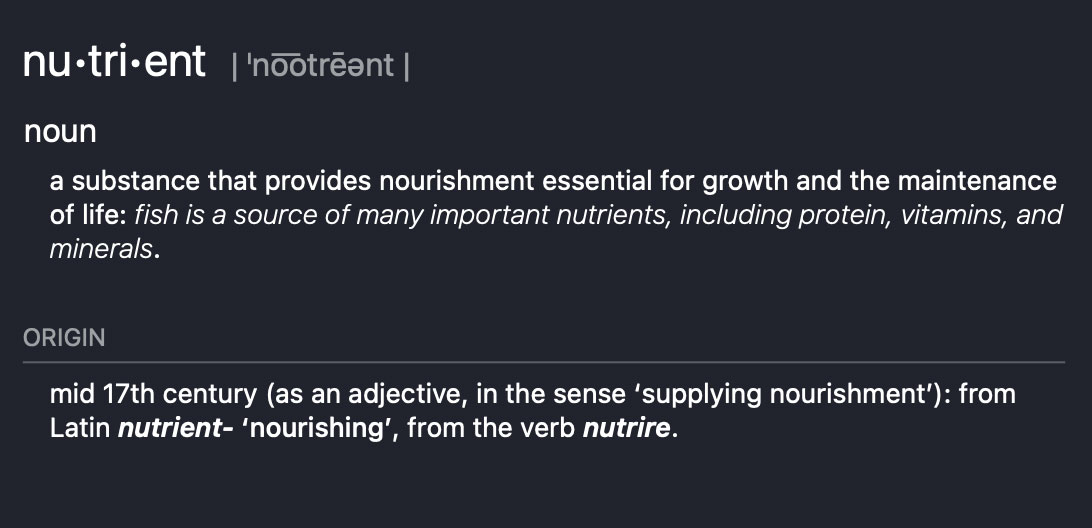
Nutrients from leaves
If I think about all the little things I am looking at here in this photo, the leaves, twigs, moss, sticks, and needles will ultimately be consumed and transformed into the soil below. Nourishment for all the microorganisms, fungi, and insects that will begin going to work – ultimately back to the very trees that dropped them. The term “waste” then seems quite inappropriate.
The much better word seems to be nutrients. Does making an attractive photo of what people tend to spend so much time and money on each autumn change their views of it? What if someone called that last truck that comes by, The Nutrient Food Truck? (EDIT: I think Food Truck is perhaps a better familiar reference. 🙂 ) I wonder if it would affect what people place at the curb.


Wonderful musings, Mark and a gorgeous leaf tapestry to match. We rent a cottage on the property of a really nice couple who love their green lawns. Leaves that we wish could stay on the ground longer tend to get mulched by a loud tractor…but at least they’ve been plating more native trees. 🙂
Well at least they are keeping the nutrients of the leaves there, a lesser evil than raking, blowing and picking them up. And planting more native trees is always a plus. I think in today’s society- asking for perfect harmony with nature is a pretty big challenge. But asking for better harmonies and assigning real values are steps we should be doing.
I also like how you think. It could be because great minds think alike. I also like Earls point that little a “management” is needed and we will ultimately lose when we fight nature. I believe you’re spot on when you state that nature doesn’t produce anything it doesn’t ultimately have a use for. The distancing from nature has limited our view. I had to laugh when you called the truck “The Nutrient Truck.” But I like it! I would like to suggest that your post can be classed as a “nutrient post” because your words provide nourishment essential for growth and maintenance of our lives as defined by your definition. Well done, again, Mark! And, I love that first image!!!!
Honestly I wonder if many will find their way back, or just continue to drift away until artificial habitats (ala Mars colony) become the norm. Maybe more people are destined to live in high rises and cities.
Thanks for the comments Monte. I appreciate the visit.
Nutrients seem to be a much more accurate descriptive word in this case. However, framing it as such would undo much of the purposed incentive of the efforts to remove it. It’s expected for “waste” to be removed. There are areas where I believe it’s beneficial to nature for a little “management,” even if the incentive is from the perspective of man’s benefit, but I believe that we should work with nature instead of against it. It is not worth expending significant resources to go against the natural flow of things.
I like the photos, Mark. There’s a sense of a deeper connotation to them, exposing a small peak of nature’s recycling.
You make a good point! Indeed nature does tidy things up – a little management. The groundhog next to our house reminds us of it every season as he cleans out his den. Probably cursing a little at us – can’t these people remove some of these leaves??! 🙂
I agree, working with nature more would be to our benefit. Thanks for the kind words.
I feel ‘nutrients’ is the appropriate term here. Living in a townhouse community, it frustrates me to see the beautiful clusters of colourful leaves and needles removed, merely to maintain the sterile appearance of our manicured surroundings.
We used to live in a condo and the rules developed there were often frustrating. I think the same applies for HOAs, townhouses, etc. The “least objectionable” landscaping appears to be lawn. 🙁
I very much like the way you think!